




How To Select the Right Diaphragm Pump Material
Selecting the right diaphragm pump materials is key to a reliable, long-lasting and contamination-free pump operation. We explain what to look for when choosing materials and highlight the most important and commonly used materials.
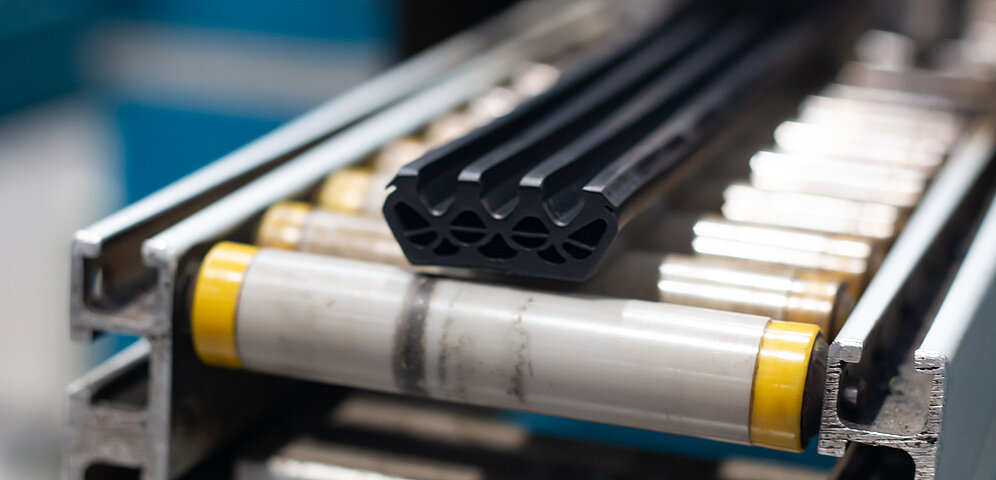
Designing a tailor-made diaphragm pump for your application is like putting together a jigsaw puzzle: every piece must fit to create the right solution. A crucial piece is the material selection as it determines the pump’s lifetime, safety, and performance. But what should you consider when selecting diaphragm pump materials, and why?
Using the Right Diaphragm Pump Materials Is Crucial for Most Applications
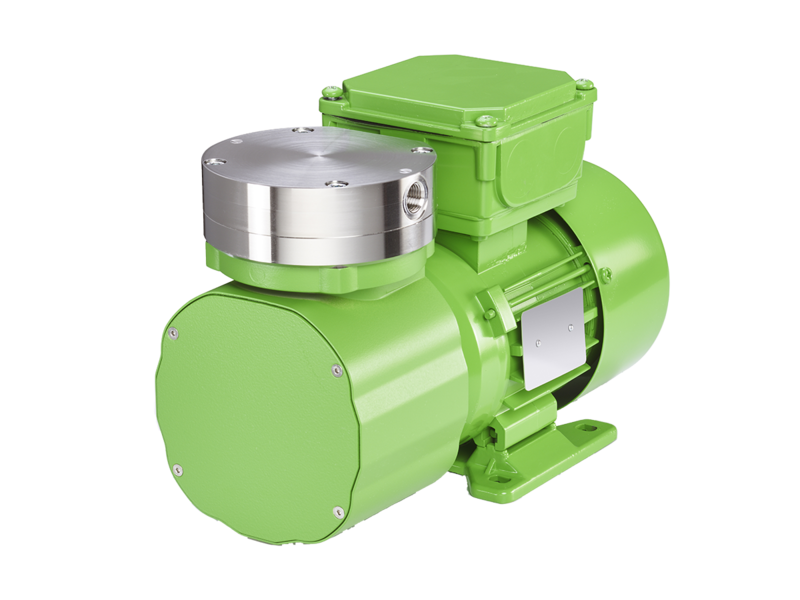
Diaphragm pumps consist of three main components: pump head, housing, and motor. To provide the ideal configuration, KNF uses a modular system which offers a variety of material, motor, mechanical, and connection options. These custom adaptations are essential because diaphragm pumps are used across a wide range of industries, each with its own specific requirements that influence the pump’s required performance, reliability, safety, and service life.
In each case, selecting the right diaphragm pump material is crucial to prevent damage to the pump, ensure a leak-tight operation and avoid contamination. However, choosing the right material can be complex, and various factors must be considered.
The Five Most Important Criteria for Selecting the Right Diaphragm Pump Material
All pump head components, including diaphragms, valves, connection and intermediate plates, come in contact with the transferred media. Therefore, the materials used for these parts must be tailored to the specific application. Five key factors should be considered.






Common Materials Used in Diaphragm Pumps
To ensure reliable and safe pump performance, the materials used must be tailored to the specific requirements of the application and media. While diaphragm liquid pumps often demand high chemical resistance, diaphragm gas pumps may have high requirements in terms of cleanliness and tightness. KNF’s modular system enables the selection of various material options for the pump head components, including the head plate, diaphragm, O-rings, connection and intermediate plates, valves, and seals. These materials fall into three main categories: elastomers, thermoplastics, and metals.
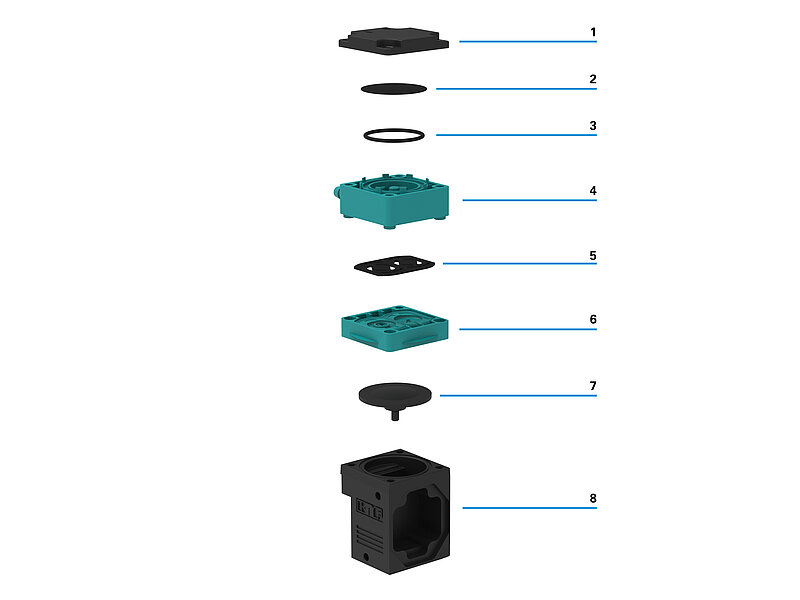
Elastomers are dimensionally stable yet elastically deformable plastics. Their flexibility and ability to return to their original shape make them ideal for diaphragms, seals and valves. Common elastomers used in diaphragm pumps include:
- EPDM (ethylene propylene diene monomer): A versatile synthetic rubber offering excellent resistance to water, steam, and mild chemicals. However, it is not suitable for oils or hydrocarbons. EPDM is flexible, cost-effective, durable, and highly wear-resistant. It is an ideal solution for applications that require a long service life such as industrial cleaning and disinfection systems, agriculture or pharmaceutical processes. A thin layer of PTFE can be coated onto an EPDM diaphragm to impart chemical and temperature resistance, while retaining the flexibility required of the diaphragm.
- FFKM / FFPM (perfluoroelastomer): Perfluoroelastomer is characterized by a fully fluorinated polymer structure and combines the chemical resistance of PTFE with the elastic properties of rubber. Available in various grades, FFKM is the most resistant elastomer to aggressive media and offers high thermal stability which makes it ideal for demanding applications such as semiconductor manufacturing or pharmaceutical processes.
- FKM (fluoroelastomer): Contains less fluorine than FFKM but still offers high chemical resistance and temperature tolerance up to 200 °C. As a more cost-effective alternative compared to FFKM, it is well suited for valves and used in less extreme environments like pharmaceutical and medical devices, laboratory and analytical equipment, or industrial manufacturing.
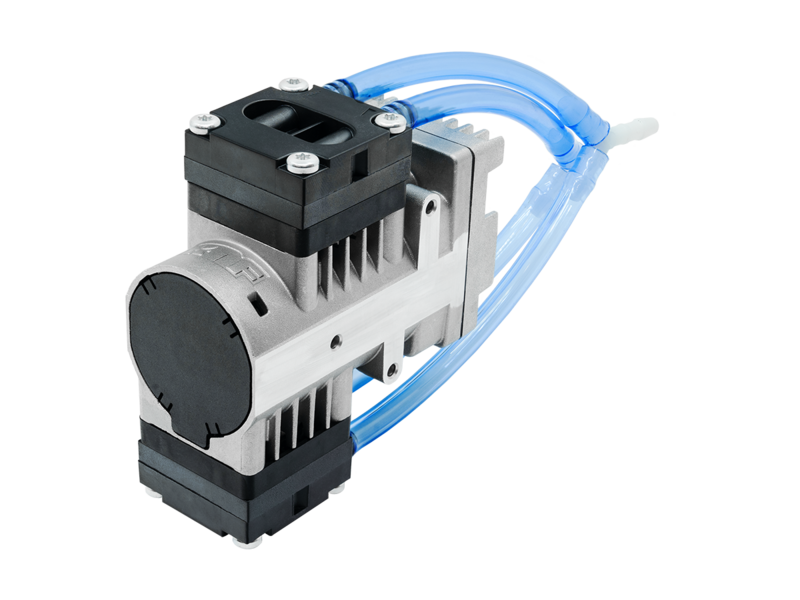
Thermoplastics are moldable plastics that soften when heated and solidify when cooled, a process that can be repeated, making them recyclable. They offer a high strength-to-weight ratio, durability, chemical resistance, and cost-effectiveness. However, they are generally unsuitable for extreme temperatures. They are used in pump heads and valves, and are categorized as high-performance thermoplastics (PEEK, PPS), engineering thermoplastics (PPA, PET) and standard thermoplastics (PP, PVC). Common examples used for diaphragm pumps include:
- PPS (Polyphenylene Sulfide): PPS is a high-performance thermoplastic with high temperature stability, good chemical resistance against many acids and bases, is corrosion resistant and offers good dimensional stability.
- PTFE (polytetrafluoroethylene): PTFE provides very good chemical and temperature resistance but is a rather stiff material. It is suitable for medical and pharmaceutical applications, food and beverage operations, chemical and petrochemical processing and the semiconductor industry. Full PTFE parts are used for the transfer of hot gases up to 240 °C or for chemically aggressive gases that would attack EPDM, such as ozone, fluorides, and chlorides.
- PEEK (Polyether Ether Ketone): Key characteristics include a high mechanical strength, wear resistance, and durability. It also provides very good resistance to heat and chemicals, making it ideal for high-pressure, high-temperature, and demanding applications. PEEK is costly but highly effective.
- PVDF (Polyvinylidene Fluoride): A high-performance thermoplastic with good chemical resistance, high purity, mechanical strength, and abrasion resistance. PVDF is a cost-effective solution for high-volume production.
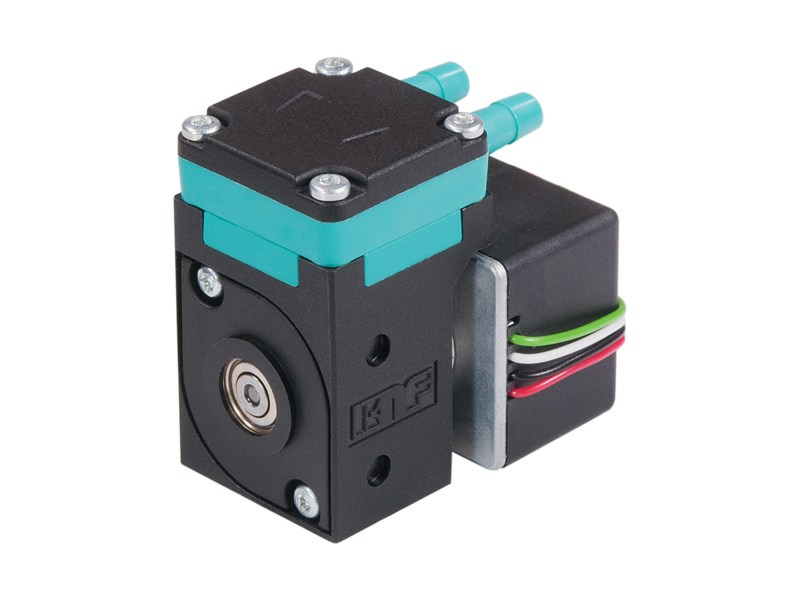
Metals are primarily used for pump housings, head and intermediate plates, as well as structural components. Some diaphragm pumps, especially large process pumps, also use metal for their valves. Their properties make metals suitable for regulated or demanding environments such as pharmaceutical or chemical applications. Common metals for diaphragm pumps include:
- Aluminum: A lightweight metal with good heat conductivity, suitable for non-corrosive media. It is cost-effective but not ideal for humid gases unless anodized for humidity resistance. Aluminum is moldable and machinable and often used for compressors.
- Stainless steel:An iron-based alloy containing chromium, which provides high corrosion resistance and chemical durability. It is hygienic, easy to clean, machinable, and capable of withstanding high pressures and temperatures.
Different material properties and compositions must be matched to the characteristics of the transferred media and the specific application requirements. Only by considering all relevant factors can the optimal pump solution be developed, ensuring the required performance, reliability and safety.
How To Approach Diaphragm Pump Material Selection
Selecting the right material for a diaphragm pump can be complex. A structured approach is essential to achieve the best technological and economic solution. The following factors should be considered during the selection process:
- Required application parameters such as flow rate, pressure or vacuum requirements
- Chemical compatibility
- Mechanical and thermal requirements such as temperature range
- Conditions of the operating environment
- Regulatory compliance needs
- Material costs and availability
KNF experts bring extensive experience in pump design and support customers throughout the entire selection process. This may even include a chemical resistance kit to ensure compatibility of diaphragm liquid pumps. With KNF’s modular system, each of the more than 100 standard pump types for gas and liquid handling can be customized to meet specific requirements, material selection being one of the key elements in this process. KNF offers a wide range of materials, many of which are listed above. Even more specialized options such as gold-plated or high-tech polymers like PCTFE are available. On request, special cleaning and coatings are also available.

